
Logo
Background
India's Leading Education Portal

Find Your Dream College & Course

Discover 5000+ colleges, 50+ courses, and the latest exam updates across India

5000+
Colleges & Universities
50+
Courses
40000+
Students Enrolled
1.4 Million
Students Counseled

Featured Colleges

Top institutions across all streams

View All
St. Stephen's College
GNIOT Institute of Management Studies (GIMS) logo

GNIOT Institute of Management Studies (GIMS)

Greater Noida

GIMS, part of GNOIT Group of Institutions, established in 2001. Shri K.L. Gupta was the visionary founder of Greater Noida Institute of Technology (GNOIT), GIMS is a leading manage...

St. Stephen's College
Dr. D. Y. Patil B-School logo

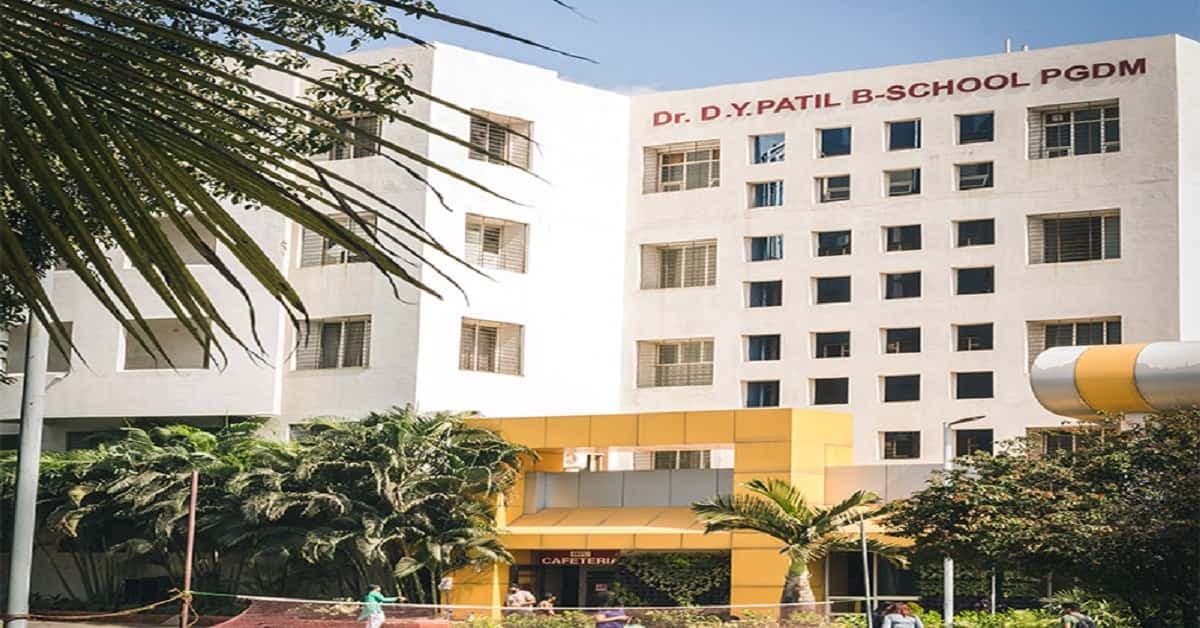
Dr. D. Y. Patil B-School

Pune

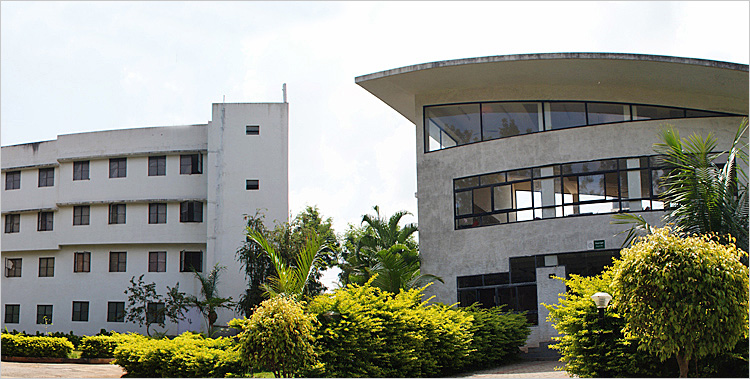
Dr. DY Patil B-School Pune was established in 2014 under the prestigious Dr. DY Patil Group the B-School carries forward the legacy and ideals of its founder Dr. DY Patil. Dr. DY P...
St. Stephen's College
Indus Business Academy, Bangalore logo

Indus Business Academy, Bangalore

Bengaluru

Indus​‍​‌‍​‍‌​‍​‌‍​‍‌ Business Academy (IBA), Bangalore, set up in 2001, is a noteworthy private B-school that has been acknowledged for its industry-focused learning and a strong ...


St. Stephen's College
ISBR Business School, Bangalore logo

ISBR Business School, Bangalore

Bengaluru

ISBR​‍​‌‍​‍‌​‍​‌‍​‍‌ Bangalore (International School of Business & Research) is a top-notch private B-School in the heart of Bengaluru's Electronics City, well-known for its rich i...

St. Stephen's College
Global Institute of Business Studies, Bangalore logo

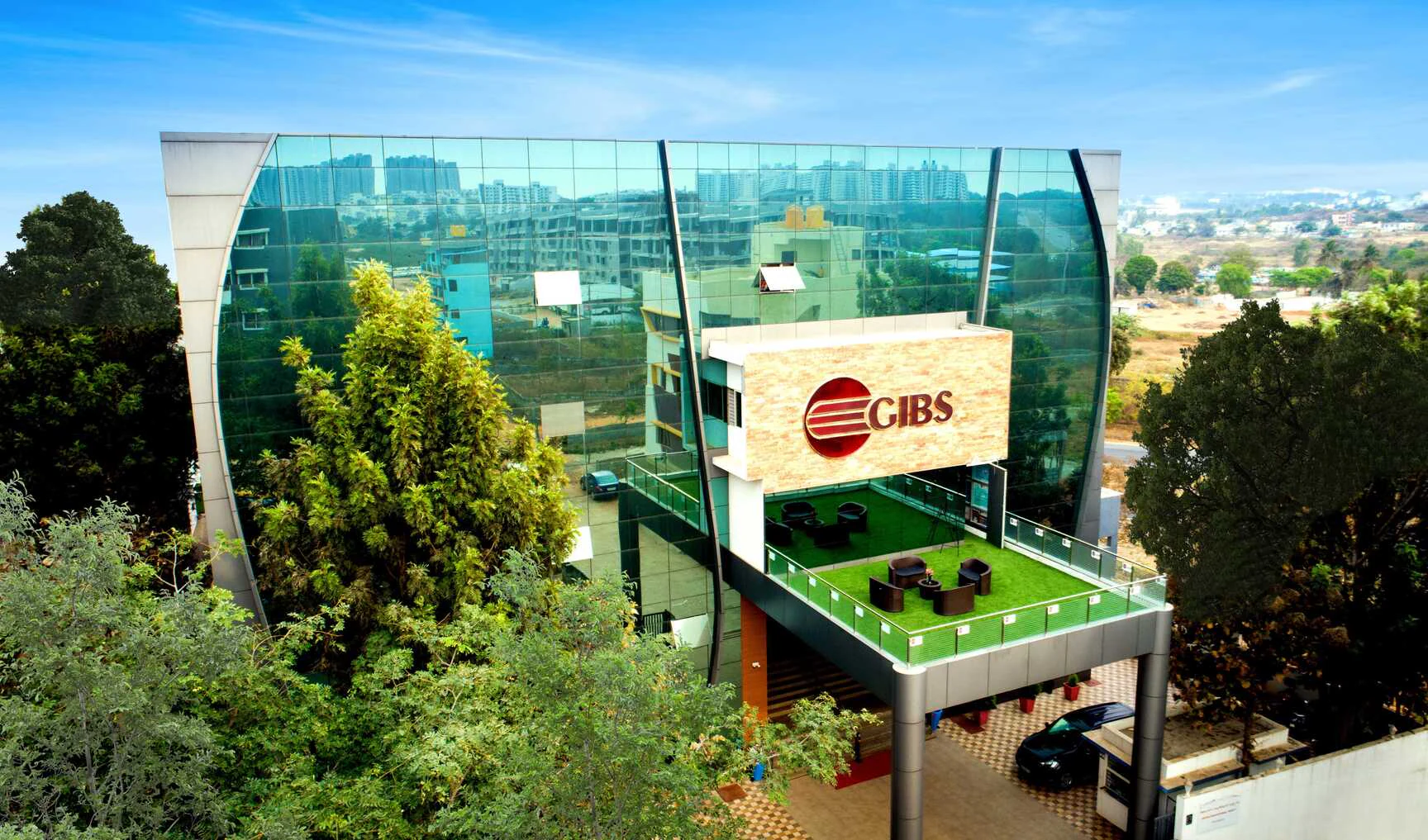
Global Institute of Business Studies, Bangalore

Bengaluru

Global​‍​‌‍​‍‌ Institute of Business Studies (GIBS), Bangalore, is a top-ranking private B-school in India. The school is well-known for an industry-aligned curriculum, internation...

St. Stephen's College
Narayana Business School, Ahmedabad logo

Narayana Business School, Ahmedabad

Ahmedabad

Narayana Business School (NBS) Ahmedabad is a premier private management institute established in 2001 and is regarded as one of the top B-schools in Gujarat. The educational envir...

Top Exams

Don't miss important exam dates and deadlines

View All

Latest News & Updates

Stay updated with educational news and exam tips

View All
courses
B.Tech Admission 2026: Eligibility, Top Exams, Fees & Everything You Must Know Before Applying
17 April 2026
B.Tech Admission 2026: Eligibility, Top Exams, Fees & Everything You Must Know Before ApplyingGetting into a B.Tech program is one of the biggest academic decisions a student makes. With thousands of engineering colleges across the country and multiple entrance exams to navigate, the B.Tech admission process in India can feel overwhelming especially if you're a first-time applicant. Whether you've just cleared your Class 12 board exams or are planning ahead for 2026, this comprehensive guide covers everything you need: eligibility, top entrance exams, fees, and a step-by-step B.Tech admission guide 2026 to make your journey smoother.And if you want expert guidance at every step, Admissionshala Best Ed Tech company in India  is here to help you make the right choice.What Is B.Tech and Why Does It Matter?B.Tech, or Bachelor of Technology, is a four-year undergraduate engineering degree offered by universities and colleges across India. It is one of the most sought-after courses for students who want to build careers in technology, engineering, IT, manufacturing, and research. With India rapidly becoming a global tech hub, a B.Tech degree opens doors to some of the most rewarding careers both in India and abroad.The demand for engineering graduates continues to grow, and the B.Tech admission 2026 cycle is expected to be more competitive than ever. That's why starting your preparation early and understanding the full admission process is absolutely critical.B.Tech Eligibility Criteria 2026Before you start applying, you need to make sure you meet the basic B.Tech eligibility criteria 2026. Here's what most colleges in India require:Educational Qualification: You must have passed Class 10+2 (or equivalent) from a recognized board with Physics, Chemistry, and Mathematics (PCM) as core subjects.Minimum Marks: Most colleges require a minimum of 45%–60% aggregate marks in PCM. For reserved category students, this threshold may be slightly lower.Age Limit: There is generally no upper age limit for B.Tech admissions, though some state universities and institutions may have specific age criteria.Appearing Candidates: Students who are currently in Class 12 and awaiting results can also apply for entrance exams and provisional admission.Always check the specific eligibility requirements of the college or university you are applying to, as they may vary. At Admissionshala, we help students verify their eligibility across hundreds of colleges so they never miss out on a suitable opportunity.Top B.Tech Entrance Exams 2026 in IndiaOne of the most important aspects of the B.Tech admission process in India is clearing the right entrance exam. Here are the top exams for B.Tech admission you should be aware of:1. JEE Main 2026JEE Main is conducted by the National Testing Agency (NTA) and is the gateway to NITs, IIITs, CFTIs, and thousands of private engineering colleges. It is conducted twice a year  in January and April. JEE Main scores are also used for JEE Advanced, which leads to admissions in the prestigious IITs.2. JEE Advanced 2026Only the top 2.5 lakh candidates from JEE Main are eligible to appear for JEE Advanced. Clearing JEE Advanced is required for admission to IITs, the most prestigious engineering institutions in India.3. State-Level Entrance ExamsSeveral states conduct their own B.Tech entrance exams 2026:MHT-CET (Maharashtra)WBJEE (West Bengal)KCET (Karnataka)AP EAMCET / TS EAMCET (Andhra Pradesh & Telangana)UPSEE / AKTU (Uttar Pradesh)COMEDK UGET (Private colleges in Karnataka)4. BITSATBITSAT is conducted by BITS Pilani for admissions to its campuses in Pilani, Goa, and Hyderabad,one of the most reputed private engineering universities in India.B.Tech Admission Without Entrance Exam 2026Not everyone can crack highly competitive national exams, and that's perfectly okay. B.Tech admission without entrance exam 2026 is possible through many private colleges and deemed universities that accept students based on their Class 12 merit scores alone. Institutions like SRM University, Amity University, Sharda University, and many others offer direct admission based on academic performance. Some universities also conduct their own in-house admission tests that are less intensive than JEE.The team at Admissionshala maintains an updated list of colleges offering direct admission to help students explore all their options,not just the ones that require tough entrance exams.B.Tech Admission Fees in India 2026Understanding B.Tech admission fees in India 2026 is crucial for financial planning. The fee structure varies significantly depending on the type of institution:Government Colleges (NITs, IITs, IIITs): Annual fees range from ₹1.25 lakh to ₹2.5 lakh. These are the most affordable options, making entrance exam preparation highly worthwhile.State Government Engineering Colleges: Fees typically range between ₹30,000 to ₹1.5 lakh per year, making them accessible for middle-class families.Private Engineering Colleges: Fees can range from ₹1 lakh to ₹5 lakh per year, depending on the reputation, location, and specialisation offered.Top Private Universities (BITS, VIT, Manipal, etc.): Annual fees range between ₹3 lakh to ₹7 lakh or more. However, merit-based scholarships can significantly reduce this burden.Always factor in hostel fees, mess charges, and other miscellaneous expenses when planning your budget. Scholarships from the government and private foundations can also ease the financial load.B.Tech Admission Guide 2026: Step by StepHere's a clear, actionable B.Tech admission guide 2026 step by step to help you stay on track:Research Your Options Early: Start by shortlisting colleges based on your preferred specialisation, location, budget, and career goals. Check out B.Tech colleges in India with fees and admission process details online.Register for Entrance Exams: Fill out the JEE Main 2026 registration form as soon as it opens (typically in October–November). Also register for state exams and institute-specific tests if applicable.Prepare Thoroughly: Focus on Physics, Chemistry, and Mathematics. Use quality study material and attempt mock tests regularly.Check Eligibility for Each College: Before applying, confirm you meet the specific eligibility criteria for each college on your list.Fill Out Application Forms: Apply to multiple colleges both through entrance exam counselling (like JoSAA for IITs/NITs) and direct applications to private colleges.Attend Counselling Sessions: After results are declared, participate in centralised and state-level counselling processes to secure your seat.Submit Documents and Pay Fees: Once you receive an offer, submit all required documents and pay the admission fees to confirm your seat.How to Apply for B.Tech Admission 2026Knowing how to apply for B.Tech admission 2026 properly can make a real difference in your outcome. Start by visiting the official websites of the exams you're targeting (jeemain.nta.nic.in for JEE Main, or your state exam portal). Keep your Aadhar card, Class 10 and 12 mark sheets, passport-sized photographs, and category certificates ready. For private colleges, applications are typically submitted directly on the college portal. Pay close attention to deadlines; missing a registration window can cost you an entire year.How Admissionshala Can Help YouNavigating the B.Tech admission process in India alone can be stressful, especially with so many exams, deadlines, and colleges to consider. That's where Admissionshala  Best Ed Tech company in India  steps in. From helping you shortlist colleges to guiding you through the counselling process, Admissionshala offers personalised admission support for students applying for B.Tech in 2026. Whether you're aiming for an IIT, a state government college, or a reputed private university, the platform gives you the right information, the right tools, and the right mentors to succeed.Students who have used Admissionshala's services consistently report feeling more confident and prepared during the admission season. With a team of experienced counselors, regularly updated college databases, and real-time alerts on exam notifications, it truly is a one-stop platform for all your B.Tech admission needs.Conclusion by AdmissionshalaB.Tech admission 2026 is an exciting opportunity, but only for those who are well-prepared. Understanding the B.Tech eligibility criteria 2026, choosing the right entrance exams, knowing the realistic B.Tech admission fees in India 2026, and following a step-by-step plan can make all the difference. Whether you're aiming for the top government institutes through JEE Main or exploring private college options, knowledge is your greatest asset.Start early, stay informed, and let Admissionshala guide you to the engineering college that's right for you.
courses
No JEE Score? These Top Engineering Colleges Still Offer You Direct B.Tech Admission in 2026
17 April 2026
Every year, lakhs of students appear for JEE Main hoping to secure a seat in a reputed engineering college. But what happens when the score doesn't meet expectations? Does that mean the dream of becoming an engineer is over? Absolutely not. There are hundreds of quality institutions across India offering direct B.Tech admission in 2026 without requiring a JEE score at all.Whether you missed the exam, couldn't prepare in time, or simply chose not to appear, this guide is for you. Let's explore your options.Why So Many Students Look Beyond JEEJEE Main is one of the most competitive entrance exams in the world, with over 12 lakh candidates fighting for a limited number of seats. It's no surprise that a majority of aspirants don't make the cut or don't even attempt it.But here's the good news: B.Tech admission without JEE is completely possible. Many private and deemed universities have their own admission criteria, and they accept students based on Class 12 merit, state-level entrance scores, or their own internal exams. In fact, some of these colleges offer excellent infrastructure, industry tie-ups, and placement records that rival government institutions.Top Engineering Colleges Offering B.Tech Without JEE in 2026Here is a curated list of well-known engineering colleges without JEE that accept applications for direct admission:1. SRM Institute of Science and Technology, Chennai SRM is one of India's most recognized private engineering universities. It conducts its own entrance exam SRMJEEE for admission. Students who score well in Class 12 (Physics, Chemistry, Mathematics) can apply. Placements at SRM are strong, with top recruiters like TCS, Infosys, Wipro, and Amazon visiting the campus regularly.2. Manipal Institute of Technology, Manipal MIT Manipal has a stellar academic reputation and accepts students through MET (Manipal Entrance Test). Class 12 students with at least 50% in PCM are eligible to apply. The institute boasts excellent labs, research centres, and a placement cell that consistently delivers results.3. VIT University, Vellore VITEEE - VIT Engineering Entrance Examination is the gateway to one of South India's top private engineering colleges. With campuses in Vellore, Chennai, Bhopal, and Amravati, VIT is a strong option for students seeking direct B.Tech admission 2026 without JEE Main.4. Lovely Professional University (LPU), Punjab LPU accepts students through LPUNEST or Class 12 merit. It is among the largest private universities in India and offers B.Tech in more than 25 specializations. The university has an active placement cell and collaborations with global companies.5. Amity University, Noida Amity offers direct admission in engineering colleges India 2026 through its own entrance test and merit-based selection. Known for its professional environment and industry linkages, Amity is a popular choice among students looking to avoid JEE.6. Chandigarh University, Punjab Chandigarh University is NAAC A+ accredited and consistently ranks among the top private universities in India. It accepts students through CUCET or Class 12 marks. With strong placement records and affordable fee structures, it's a preferred option for many.7. Sharda University, Greater Noida Sharda University offers B.Tech admissions through its own entrance test or direct merit. With a diverse student body and growing industry connections, it is one of the affordable engineering colleges without JEE score that doesn't compromise on quality.8. Kalinga Institute of Industrial Technology (KIIT), Bhubaneswar KIIT is a deemed university with an impressive national ranking. It conducts its own exam KIITEE for engineering admissions. KIIT has a strong research culture and excellent placement statistics, making it one of the top engineering colleges without JEE score 2026.How to Get Direct B.Tech Admission Without JEEIf you're planning to pursue B.Tech without JEE, here's a step-by-step approach:Step 1- Check Eligibility Most private universities require candidates to have passed Class 12 (or equivalent) with Physics, Chemistry, and Mathematics as core subjects. A minimum of 45%–60% aggregate marks is usually the threshold.Step 2 - Appear for State-Level or University-Level Exams Many states conduct their own engineering entrance tests. Examples include KCET (Karnataka), WBJEE (West Bengal), MHT CET (Maharashtra), TNEA (Tamil Nadu), and OJEE (Odisha). These are valid alternatives to JEE Main and are accepted by several colleges in those states.Step 3 - Apply Directly to Universities Several universities accept applications through their portals on the basis of Class 12 marks alone. No entrance exam is required in such cases.Step 4 - Seek Guidance from an Expert Platform Navigating the admission process alone can be overwhelming. This is where Admissionshala Best Ed Tech Company in India steps in. Admissionshala helps students find the right engineering college that matches their profile, budget, and career goals without the stress of JEE. Their counsellors assist with everything from shortlisting colleges to completing the admission formalities.Fees and Eligibility: What to ExpectOne of the most common questions students ask is about B.Tech admission without JEE fees and eligibility in India. Here's a general overview:CollegeApproximate Annual FeesEligibilitySRM University₹1.5L – ₹2.5LClass 12 PCM, 60%+VIT Vellore₹1.6L – ₹2.2LClass 12 PCM, 60%+Chandigarh University₹1.0L – ₹1.5LClass 12 PCM, 50%+LPU₹1.2L – ₹1.8LClass 12 PCM, 55%+Amity University₹2.0L – ₹3.0LClass 12 PCM, 55%+KIIT Bhubaneswar₹1.8L – ₹2.4LClass 12 PCM, 60%+Do These Colleges Have Good Placements?A common misconception is that private engineering colleges without JEE with placement are hard to find. That's simply not true. Colleges like VIT, SRM, Chandigarh University, and Manipal have placement rates ranging from 80% to 95%, with top packages going well above ₹10 LPA in many branches.Computer Science, Artificial Intelligence, Data Science, and Electronics & Communication are the branches with the highest placement activity. Students who remain focused on academics, build practical skills, and participate in internships perform exceptionally well regardless of whether they got in through JEE or direct admission.How Admissionshala Can Help YouThe admission process for B.Tech colleges without entrance exams in India can often be confusing with multiple deadlines, different eligibility criteria, counselling rounds, and document requirements all at once.Admissionshala, Best Ed Tech Company in India, simplifies this entire journey. Here's how they help:Free counselling from experienced education expertsCollege shortlisting based on your budget, location, and branch preferenceApplication support from form filling to document submissionScholarship guidance to help reduce your tuition burdenPost-admission support including hostel and fee structure clarityThousands of students across India have trusted Admissionshala to find the right engineering college and they've landed in institutions with excellent campuses and strong placement records. If you're confused about where to start, just reach out to Admissionshala and let the experts take it from there.Conclusion by AdmissionshalaNot scoring well in JEE is not the end of your engineering dream, it's simply a detour. India has hundreds of excellent private universities offering direct B.Tech admission 2026 with great facilities, experienced faculty, and strong industry connections.The key is to research well, understand your options, and choose a college that aligns with your career aspirations. Platforms like Admissionshala are built exactly for this purpose to guide students through a process that can otherwise feel overwhelming.Don't wait. Start your application today, explore your options, and secure your B.Tech seat in 2026 with or without a JEE score.
courses
PGDM vs MBA 2026: Which One Actually Pays More and Gets You Hired Faster?
17 April 2026
Every year, thousands of Indian graduates sit at the same crossroads: PGDM or MBA? Both promise corner offices, fat paychecks, and corporate glory. But in 2026, with the job market evolving faster than ever, which one truly delivers? Which qualification gets you hired faster, grows your salary quicker, and gives you a better return on investment?At Admissionshala - Best Ed Tech Company in India, we've counselled thousands of students through this exact dilemma. So instead of giving you vague advice, let's dig into the real data, the real placements, and the real salary numbers.First, Let's Clear the Confusion: What's the Actual Difference?Many students treat PGDM and MBA as interchangeable terms. They're not.An MBA (Master of Business Administration) is a university-awarded degree, regulated by UGC (University Grants Commission). It's offered by universities and affiliated colleges across India.A PGDM (Post Graduate Diploma in Management) is a diploma awarded by autonomous institutes approved by AICTE. Institutes like IIMs, XLRI, SP Jain, and MDI offer PGDMs and they're globally recognized because these institutes have the freedom to update their curriculum faster than university-affiliated programs.The key philosophical difference: MBA programs follow university syllabus; PGDM programs follow industry demands. That distinction matters enormously when we talk about placements and salaries in 2026.PGDM vs MBA Salary Comparison India: Who Earns More?Let's talk numbers  because that's what everyone actually wants to know.In 2026, the PGDM vs MBA salary comparison in India looks something like this:Top PGDM institutes (IIMs, XLRI, FMS, MDI): Average placements range from ₹18 LPA to ₹35+ LPA. Highest packages from IIM Ahmedabad and IIM Bangalore have crossed ₹1 crore in international offers.Top MBA universities (DU, BHU, Symbiosis, Amity): Average placements typically range from ₹6 LPA to ₹14 LPA for reputed institutions.Mid-tier PGDM institutes (approved autonomous colleges): Average salaries between ₹5 LPA to ₹10 LPA.General MBA colleges (affiliated universities): Average salaries between ₹3.5 LPA to ₹7 LPA.The pattern is clear: PGDM vs MBA highest salary packages in India heavily favor PGDM graduates from autonomous, AICTE-approved institutes especially those with strong industry tie-ups.However, here's the catch: it's not the "PGDM" label that pays more. It's the institute's reputation, industry connection, and curriculum relevance that determines your salary. A PGDM from an unknown institute won't automatically beat an MBA from a strong state university.PGDM vs MBA Placements Reality 2026: Who Gets Hired Faster?Speed of placement is a real concern for students and parents alike. Nobody wants to study for two years and spend months job hunting afterward.The PGDM vs MBA placements reality in 2026 favors PGDM institutes in one critical way: autonomy in curriculum and recruiting. PGDM institutes, especially top-tier ones, can invite companies directly, design their placement processes independently, and build long-term corporate relationships without bureaucratic delays.MBA programs tied to universities often follow centralized placement cells, which can slow things down and limit the type of companies they attract.That said, placement speed also depends on the individual student - their internship performance, interview preparation, and domain specialization. At Admissionshala, we always tell our students: "The institute opens the door. You have to walk through it."For freshers, the MBA vs PGDM freshers salary in India gap isn't always dramatic at the entry level. A fresher from a solid MBA program and a fresher from a mid-tier PGDM program might both start around ₹5–8 LPA. The real divergence happens at the 3–5 year mark, where PGDM graduates from strong institutes tend to grow faster due to better industry exposure during their program.Which Is Better: PGDM or MBA for Corporate Jobs?When companies like Deloitte, McKinsey, Amazon, HDFC Bank, or Unilever walk into campuses, what are they looking for?They want candidates who are industry-ready from day one. This is where PGDM programs have a structural advantage. Since PGDM institutes design their own curriculum, they often include live projects, industry mentors, case competitions, and updated electives in areas like data analytics, fintech, and digital marketing - skills that are non-negotiable in 2026's job market.For PGDM vs MBA which is better for corporate jobs, the answer largely depends on your target sector:Finance, Consulting, FMCG, Tech: PGDM from a top autonomous institute is the stronger bet.Government-linked roles, PSU banking, Education sector: MBA from a recognized university can have regulatory advantages, as some government roles require a "degree" rather than a "diploma."Startups and entrepreneurship: Both are equally valid; what matters more is your skill set and network.ROI: PGDM vs MBA ROI in India - Which Is a Smarter Investment?A good PGDM from a top institute costs anywhere between ₹12 lakh and ₹25 lakh over two years. A quality MBA from a reputed university might cost ₹4 lakh to ₹15 lakh.When we calculate PGDM vs MBA ROI in India, the math gets interesting:If a PGDM graduate from a top institute earns ₹20 LPA and recovers their ₹20 lakh investment within 12 months post-graduation, the ROI is exceptional. But if a mid-tier PGDM costs ₹15 lakh and delivers only ₹6 LPA, the ROI is poor - and worse than a ₹5 lakh MBA that places you at ₹7 LPA.ROI is always institute-specific, not program-specific. This is the most important insight the team at Admissionshala- Best Ed Tech Company in India shares with every student before they make a ₹10–20 lakh decision.MBA vs PGDM Job Opportunities Comparison: What Does the Market Say?According to placement reports and industry hiring trends in 2026:PGDM graduates are being increasingly preferred in sectors like consulting, investment banking, product management, and digital business.MBA graduates continue to find strong traction in traditional sectors-banking, insurance, retail, and public sector units.The MBA vs PGDM job opportunities comparison shows that both qualifications have strong market demand but in different domains. The real winner is the student who matches their qualification to their career goal, not the one who blindly follows a trend.PGDM vs MBA Career Growth India: The Long GameIn the short term (0–3 years), the differences might feel modest for many students. But over a 10-year horizon, PGDM vs MBA career growth in India shows a sharper divergence.PGDM graduates from strong institutes tend to reach senior management roles (Director, VP, C-suite) faster - largely because their programs build leadership, analytical, and communication skills more aggressively. MBA graduates from solid universities also reach these levels, but the timeline can be longer without premium brand backing.So, What Should You Actually Choose in 2026?Here's the Admissionshala framework:If you can crack CAT/XAT and get into a top PGDM institute - go for PGDM without second thoughts.If you're targeting government or regulated-sector jobs - an MBA degree has compliance advantages.If budget is a constraint - a reputed MBA from a strong state university delivers good ROI.If you're unsure about the institute's quality - check NIRF rankings, placement reports, and recruiter profiles before paying any fees.The PGDM vs MBA which pays more in India 2026 debate ultimately has no universal winner. What pays more is the right program from the right institution aligned with the right career goal.Conclusion by AdmissionshalaMaking a two-year, high-investment decision based on incomplete information is one of the biggest mistakes students make. That's exactly why Admissionshala - Best Ed Tech Company in India exists: to give you honest, data-backed guidance so you choose a program that genuinely accelerates your career.Whether it's PGDM or MBA, your success depends on where you study, how hard you work, and how strategically you approach your career. Choose wisely and if you need expert help navigating your options, Admissionshala is just a conversation away.
courses
No CAT Score? These Top MBA Colleges in India Still Accept You in 2026
17 April 2026
Missed the CAT cutoff? Didn't appear for the exam at all? You are not alone - and more importantly, your MBA dream is far from over. Thousands of students secure admission to reputable business schools across India every year through MBA admission 2026 without CAT score. This guide breaks down everything you need to know.The Common Admission Test (CAT) is widely considered the gold standard for MBA admissions in India, but it is by no means the only route. A growing number of MBA colleges without CAT offer equally credible programmes, strong industry connections, and solid placement records. Whether your CAT score didn't meet expectations or you simply chose not to sit for it, there are legitimate, accredited pathways waiting for you."CAT is one door. The good news? There are dozens of other doors - and many of them lead to the same destination."Why Do Colleges Offer MBA Admission Without CAT?India's higher education landscape is vast. While the IIMs and a handful of premier institutes rely exclusively on CAT, hundreds of AICTE-approved and UGC-recognised business schools accept scores from alternative entrance exams such as MAT, ATMA, CMAT, XAT, GMAT, or their own institution-level tests. Some even offer direct MBA admission in 2026 based on academic merit, group discussion, and personal interview performance alone.The reasons are practical: alternative exams cater to working professionals, international applicants, and students from non-engineering backgrounds who may not have the same preparation bandwidth as full-time CAT aspirants. This makes the MBA ecosystem more inclusive and arguably more diverse.Top MBA Colleges Without CAT in India 2026The experts at Admissionshala have curated a list of well-regarded institutions where you can pursue an MBA in 2026 without a CAT score. These colleges are known for their faculty, curriculum, industry linkages, and placement outcomes.1. Symbiosis Institute of Business Management (SIBM), Pune Accepts: SNAP (Own Exam) One of India's most respected private B-schools, SIBM accepts SNAP scores on its own entrance exam  making it fully accessible without a CAT score. Known for strong placements in FMCG, consulting, and finance.2. Institute of Management Technology (IMT), Ghaziabad Accepts: XAT / GMAT / Own Entrance IMT accepts CAT, XAT, GMAT, and its own PGDM entrance scores. The institute has a strong alumni network and consistent placement records with top-tier recruiters across sectors.3. Amity Business School, Noida Accepts: CMAT / MAT / ATMA A large, NAAC A+ accredited institution offering MBA programmes across multiple specialisations. Admission is possible through MAT, CMAT, ATMA, or Amity's own entrance test with no CAT required.4. K.J. Somaiya Institute of Management, Mumbai Accepts: CMAT / State CET Consistently ranked among the top private B-schools in Maharashtra, Somaiya accepts CMAT, CAT, and the Maharashtra MBA CET score. Excellent for students looking at MBA without CAT low fees colleges in India.5. Chandigarh University - University Business School Accepts: Merit-Based / Own Test Offers MBA admission based on merit and a university-level test. Strong in placements across IT, banking, and manufacturing. One of the more affordable options with decent infrastructure.6. ICFAI Business School (IBS), Hyderabad Accepts: MAT / ATMA / IBSAT IBSAT is IBS's own entrance exam, but it also accepts MAT and ATMA scores. Known for strong industry integration and a wide alumni base across India and internationally.What Exams Do These Colleges Accept Instead of CAT?Understanding your alternative exam options is key to planning your MBA admission 2026 without CAT score India. Here is a quick reference:ExamConducted ByFrequencyNotable Colleges Accepting ItMATAIMA4 times/yearAmity, IBS, Nirma, BIMTECHCMATNTAOnce/yearSomaiya, GIM, WelingkarATMAAIMS5 times/yearIFMR, IBS, Christ UniversityXATXLRIOnce/yearIMT, GIM, XIMB, BIMTECHGMATGMACYear-roundISB, IMT, Great Lakes, IIM-A PGPXState CETsState Govts.Once/yearMH-CET: Somaiya, Welingkar, SydenhamOwn Exam / MeritIndividual CollegesVariesAmity, Chandigarh University, LPUCan You Get Direct MBA Admission in 2026 Without Any Exam?Yes, direct MBA admission in 2026 is possible at select colleges. Many private universities and deemed institutions allow admission based on your graduation score, followed by a personal interview or group discussion. This is particularly common for:Students with strong undergraduate academic records (above 60%) Working professionals with 2+ years of experience applying for executive MBA programmes International students applying through GMAT or equivalent foreign exams NRI and foreign national applicants under special quota seats Applicants to deemed universities with self-financed MBA programmesThe team at Admissionshala regularly helps students navigate direct admission routes and identify which colleges are currently accepting applications without an entrance score. If you are unsure whether your profile qualifies, a free counselling session can save you significant time and confusion.Are MBA Programmes Without CAT Worth It?This is the question most students and parents ask and it deserves an honest answer. The value of an MBA programme depends far less on which entrance exam got you there, and far more on the accreditation, faculty quality, curriculum relevance, and placement ecosystem of the institution you choose.Many colleges on this list SIBM, IMT, IBS, and Somaiya have placement records that comfortably rival those of mid-tier CAT-accepting colleges. Average packages at these institutions frequently range between ₹7–15 LPA, with top offers going significantly higher in good recruitment years.The key is due diligence. Look for NAAC accreditation, AICTE approval, placement data transparency, and alumni feedback before committing. MBA colleges accepting students without CAT 2026 span a wide spectrum from excellent to mediocre and choosing wisely matters enormously.Low-Fee MBA Options Without CAT What to ExpectCost is a real concern for many applicants. The good news is that MBA without CAT low fees colleges in India do exist. Government-aided colleges accepting CMAT or state CET scores such as Sydenham Institute of Management in Mumbai or Jamnalal Bajaj Institute  offer MBA programmes at substantially lower fees compared to private institutions.State-run universities in Rajasthan, Madhya Pradesh, Gujarat, and Tamil Nadu also run MBA programmes at highly subsidised fees through their own entrance exams. These are often overlooked by aspirants fixated on national-level tests, yet they produce capable professionals who go on to build strong careers.How Admissionshala Can Help You Secure Admission in 2026Navigating MBA admission without CAT is not complicated  but it does require knowing the right colleges, deadlines, eligibility criteria, and documentation processes. That is exactly where Admissionshala steps in.Admissionshala is a dedicated MBA admission counselling platform that helps students identify the best-fit colleges based on their scores, budget, location preference, and career goals. Whether you are looking at top MBA colleges without CAT in India with placement guarantees or exploring affordable options in your home state, the counsellors at Admissionshala provide end-to-end support  from shortlisting colleges to preparing for interviews and filing applications.The platform has helped thousands of students across India secure admissions in reputable institutions without needing a CAT score, and continues to be a trusted resource for MBA without entrance exam India seekers.Conclusion by AdmissionshalaA low CAT score or no CAT score at all is not the end of your MBA ambitions. India's higher education system offers more pathways than most students realise, and MBA without CAT 2026 is an increasingly mainstream route taken by tens of thousands of aspirants every admission cycle.The most important step is to act quickly. Many colleges running direct MBA admission 2026 cycles have rolling admissions with limited seats. The earlier you apply, the stronger your chances of securing a seat at a reputable institution.Do your research, verify accreditation, check placement data, and if you need guidance, reach out to Admissionshala. Your MBA story doesn't have to wait for the next CAT cycle. It can begin right now.
courses
MBA Admission 2026: Everything You Need to Know Before You Apply – Exams, Fees & Real Placements
24 April 2026
If you're aiming to do an MBA by 2026, then you need to start figuring out your strategy right away. Getting an MBA is still one of the most wanted degrees among postgraduates in India and worldwide. It does not matter if you have just graduated or you are already working at a company and want to get to a higher position.Many potential students today are getting help from the leading MBA College Consultants in Pune in order to get started with their applications.This comprehensive handbook can tell you everything that you want to know about MBA Admission 2026 including qualification criteria and entrance exams to fees, top colleges, and placement statistics. It is designed to assist you in making a well- informed decision and gaining admission to the best business school.Admissionshala is the Best EdTech Company in India that has assisted a great number of MBA aspirants in understanding this process and obtaining seats at their dream B schools.What is an MBA?A Master of Business Administration (MBA) degree is a two year postgraduate program that helps students to be advanced in management, leadership, finance, marketing, operations, and entrepreneurship. Various formats of MBA programs are available such as full, time, part, time, executive, online, and distance learning which make them accessible to a broad spectrum of applicants.MBA Admission 2026: Key HighlightsParameterDetailsCourse NameMaster of Business Administration (MBA)Duration2 Years (Full-Time)Admission ModeEntrance Exam + GD/PI/WATTop ExamsCAT, GMAT, XAT, SNAP, MAT, CMATAverage Fees₹5 Lakh – ₹25 Lakh (IIMs up to ₹25L+)Average Salary (Top Colleges)₹12 LPA – ₹35 LPAApplication SeasonJuly 2025 – February 2026MBA Eligibility Criteria 2026Before applying, make sure you meet the basic eligibility requirements for MBA admission 2026.1.General EligibilityEducational Qualification: Graduation in any stream from a recognized university (UGC approved). Minimum Marks: Majority of the institutes ask for 50% aggregate in bachelors degree. Scheduled Castes/Scheduled Tribes/Other Backward Classes students normally require 45%. Final Year Students: Final year bachelors degree students may also apply provisionally, provided they pass graduation.2.Work ExperienceFor regular MBA programs: Work experience is preferred but not mandatory.For Executive MBA (EMBA) programs: Minimum 3–5 years of work experience is required.Top IIMs and ISB give significant weightage to work experience during shortlisting.3.Age LimitThere is no upper age limit for MBA admissions in most Indian colleges. However, for PGPM and Executive MBA programs, candidates are usually between 25-45 years of age.Why You Need an MBA College Consultant in 2026?The process of MBA admission can really confound a person, right from the choice of the exam to be taken to drafting a convincing Statement of Purpose, test takers may find themselves in a dilemma. This is why getting a mentor's assistance can indeed be a critical factor that sets one's success apart.Admissionshala, Best EdTech Company in India, has played a significant role in enabling thousands of aspirants to get admission into top B schools every year. As one of the most trustworthy MBA College Consultants in India, Admissionshala provides complete support starting from profile assessment and college shortlisting to writing the SOP and conducting mock interviews.MBA Entrance Exams 2026Entrance exams are the gateway to top MBA colleges. Here is a breakdown of the most important MBA entrance exams in 2026.                                                                                                                                                                                                                                                                                              1. CAT 2025 (Common Admission Test)Conducting Body: IIMs (on rotation)Exam Date: November 2025 (tentative)Registration: August–September 2025Accepting Colleges: All 21 IIMs + 1,000+ other B-schoolsSections: Verbal Ability & Reading Comprehension (VARC), Data Interpretation & Logical Reasoning (DILR), Quantitative Aptitude (QA)Score Validity: 1 yearBest For: IIMs, FMS, MDI, SPJIMR, NITIE2. GMAT (Graduate Management Admission Test)Conducting Body: GMACMode: Computer-Adaptive Test (year-round)Score Range: 205–805Score Validity: 5 yearsBest For: ISB, IIM Ahmedabad (PGPX), Great Lakes, international B-schools3. XAT 2026 (Xavier Aptitude Test)Conducting Body: XLRI JamshedpurExam Date: January 2026Registration: November 2025Accepting Colleges: XLRI, XIMB, XIME, GIM, and 150+ collegesSections: Decision Making, Verbal & Logical Ability, Quantitative Ability & Data Interpretation, General Knowledge4. SNAP 2025 (Symbiosis National Aptitude Test)Conducting Body: Symbiosis International UniversityExam Date: December 2025Best For: Symbiosis colleges (SIBM Pune, SCMHRD, etc.)5. IIFT 2026 (Indian Institute of Foreign Trade)Exam Date: January 2026Best For: IIFT Delhi, IIFT Kolkata, IIFT KakinadaFocus: International Business, Trade & Finance6. MAT (Management Aptitude Test)Conducting Body: AIMAMode: Paper-Based, Computer-Based, Internet-Based (multiple times a year)Best For: Mid-tier and state-level MBA colleges7. CMAT (Common Management Admission Test)Conducting Body: NTAExam Date: January–February 2026Accepting Colleges: AICTE-approved colleges across India8. NMAT by GMACConducting Body: GMACExam Window: October–December 2025Best For: NMIMS Mumbai, SPJIMR, Shiv Nadar, WoxsenTop MBA Colleges in India 2026Choosing the right MBA college is among the top influencing factors of your career. There are several government and private B-schools in India that provide students with top academics, excellent industry connections, and lucrative placement packages. Premier institutes such as IIMs and FMS Delhi are reputed for their strong brand value and excellent Return on Investment (ROI), while top private institutes like XLRI, ISB, and SPJIMR offer an international perspective and highly competitive packages.Government / Premier B-SchoolsGovernment and premier B-schools such as IIMs and FMS Delhi are highly competitive and primarily accept CAT scores. These institutes are known for their strong alumni network, top recruiters, and impressive return on investment (ROI).CollegeEntrance ExamAvg. CTC (LPA)Fees (Approx.)IIM AhmedabadCAT₹35+ LPA₹25 LakhIIM BangaloreCAT₹33+ LPA₹24 LakhIIM CalcuttaCAT₹32+ LPA₹23 LakhIIM LucknowCAT₹28+ LPA₹19 LakhFMS DelhiCAT₹27+ LPA₹2 LakhMDI GurgaonCAT₹24+ LPA₹22 LakhIIFT DelhiIIFT/CAT₹22+ LPA₹18 LakhTop Private B-SchoolsTop private MBA colleges in India provide excellent infrastructure, global collaborations, and strong placement records. Many of these institutes accept multiple entrance exams such as XAT, GMAT, NMAT, SNAP, and CAT.CollegeEntrance ExamAvg. CTC (LPA)Fees (Approx.)XLRI JamshedpurXAT₹28+ LPA₹23 LakhISB HyderabadGMAT/GRE₹34+ LPA₹40+ LakhSPJIMR MumbaiCAT/GMAT₹30+ LPA₹18 LakhNMIMS MumbaiNMAT₹20+ LPA₹20 LakhGreat Lakes ChennaiGMAT/CAT₹16+ LPA₹17 LakhSIBM PuneSNAP₹17+ LPA₹20 LakhMBA Fees Structure 2026MBA fees vary significantly across college tiers. Here's a quick overview:IIMs (Top 6): ₹20 Lakh – ₹28 Lakh for the entire 2-year programIIM New Campuses: ₹12 Lakh – ₹18 LakhTop Private B-Schools: ₹15 Lakh – ₹25 LakhMid-tier B-Schools: ₹5 Lakh – ₹15 LakhState Universities / Distance MBA: ₹30,000 – ₹2 LakhScholarships & Financial AidSeveral institutions offer scholarships based on merit, need, or diversity. Key options include:Aditya Birla Group Scholarships (top IIMs)Merit-cum-Means Scholarships at IIMs for SC/ST/OBC candidatesBank Education Loans up to ₹40 Lakh (major nationalized banks)Institutional Scholarships at XLRI, SPJIMR, and ISBMBA Admission Process 2026: Step-by-StepUnderstanding the admission process helps you stay ahead of deadlines.Step 1 – Appear for Entrance Exam: Register and appear for your chosen entrance exam(s)  CAT, GMAT, XAT, SNAP, etc.Step 2 – Apply to Colleges: Submit applications to shortlisted colleges with your exam scores, academic records, SOP, and LORs.Step 3 – Shortlisting: Colleges shortlist candidates based on exam scores, academic performance, work experience, and diversity.Step 4 – GD/PI/WAT Round: Attend Group Discussion (GD), Personal Interview (PI), and/or Written Ability Test (WAT) as required.Step 5 – Final Selection: Colleges release merit lists based on a composite score of all evaluation parameters.Step 6 – Admission & Fee Payment: Accept the offer letter and pay the seat booking fee within the stipulated time.MBA Placements 2026: What to ExpectMBA placements are one of the biggest deciding factors for aspiring students. Here's what the placement landscape looks like at top colleges.IIM Ahmedabad Placements 2024ParticularsDetailsHighest CTC (Domestic)₹90+ LPAAverage CTC₹35+ LPATop RecruitersMcKinsey, BCG, Bain, Goldman Sachs, Amazon, GoogleIIM Bangalore Placements 2024ParticularsDetailsHighest CTC₹1 Crore+ (International Offer)Average CTC₹33+ LPATop SectorsConsulting, Finance, Technology, FMCGTop Recruiting Sectors in MBA 2026Management Consulting (McKinsey, BCG, Deloitte, KPMG)Investment Banking & Finance (Goldman Sachs, JP Morgan, Kotak)Technology (Google, Amazon, Microsoft, Flipkart)FMCG & Retail (HUL, ITC, P&G, Nestle)E-commerce & Startups (Zomato, Swiggy, Meesho)MBA Specializations Available in 2026Choosing the right specialization can significantly impact your career path. Popular MBA specializations include:MBA SpecializationKey Career AreasFinanceInvestment Banking, Financial Analysis, Corporate FinanceMarketingBrand Management, Digital Marketing, SalesHuman ResourcesTalent Acquisition, Organizational Behavior, Learning & Development (L&D)Operations & Supply ChainLogistics, Process Optimization, Supply Chain Management (SCM)Business AnalyticsData-Driven Decision Making, Business IntelligenceInternational BusinessInternational Trade, Global Markets, Foreign ExchangeEntrepreneurshipStartup Management, Venture Capital, InnovationMBA vs PGDM: Which is Better in 2026?Many top B-schools like IIMs and XLRI offer PGDM (Post Graduate Diploma in Management) instead of MBA. Here's the key difference:ParameterMBAPGDMDegree TypeUniversity DegreeDiploma (AICTE Approved)Offered ByUniversitiesAutonomous Institutions (IIMs, XLRI, etc.)Industry RecognitionHighEqually HighFlexibilityLess (Fixed University Curriculum)More (Industry-Oriented & Updated Curriculum)Top CollegesFMS Delhi, PUMBAIIMs, XLRI, SPJIMRImportant MBA Admission 2026 DeadlinesStaying updated with MBA entrance exam dates is crucial for successful admission in 2026. Below are the tentative important deadlines for major MBA exams and admission events:Exam/EventTentative DateCAT 2025 RegistrationAugust 2025CAT 2025 ExamNovember 2025XAT 2026 RegistrationNovember 2025XAT 2026 ExamJanuary 5, 2026SNAP 2025 ExamDecember 2025NMAT 2025 Exam WindowOctober – December 2025IIM Shortlist AnnouncementJanuary 2026IIM PI/WAT RoundsFebruary – March 2026Final Admission OffersApril – May 2026Tips to Strengthen Your MBA Application 2026Start Early: Begin your CAT/GMAT preparation at least 6 –12 months in advance.Focus on Academics: Maintaining a strong academic profile  colleges do give weight to graduation scores.Build Work Experience: Even 1–2 years of quality work experience can significantly boost your profile.Write a Strong SOP: Your Statement of Purpose should reflect clarity of thought, goals, and why you chose that particular college.Mock Tests Are Key: Take at least 20–30 full-length mock tests before the actual exam.Diversify Applications: Apply to 8–12 colleges across different tiers to maximize your chances.Seek Expert Guidance: If you are in a dilemma over college selection, SOP writing, or interview preparation, connect with the Top MBA Application Consultants in India. Admissionshala, known as the Best MBA College Consultants Pune, offers personalized mentoring, mock interviews, and profile evaluation to maximize your chances of admission.ConclusionThe MBA journey in 2026 will unveil a plethora of opportunities across industries and geographies. No matter if your goal is to grab a highly coveted seat at an IIM, a global B-school, or a specialized private institution, you can only thrive by preparing early, having the right exam strategy, and presenting a convincing application profile.To get personalized guidance on your MBA 2026 journey, connect with Admissionshala  one of the leading Top MBA Application Consultants in India and your trusted partner for cracking admissions at the Top MBA Colleges in India. From profile building to acing your PI rounds, Admissionshala is your complete end-to-end admission partner.
courses
JEE Main vs State Entrance Exams 2026: Which One Should You Actually Prepare For?
24 April 2026
Every year, lakhs of students across India face one of the most confusing decisions of their academic life. Should I focus on JEE Main, or should I put my energy into my state entrance exam? It's a question that doesn't have a one-size-fits-all answer, and that's exactly why so many students end up either over-preparing or under-preparing for the wrong exam.At Admissionshala – Best Ed Tech Company in India, we've helped thousands of students navigate this exact dilemma. In this blog, we break down the JEE Main vs state entrance exams debate in a way that's practical, honest, and actually useful for your 2026 planning.What Is JEE Main and Why Does It Matter?JEE Main (Joint Entrance Examination – Main) is conducted by the National Testing Agency (NTA) and is the gateway to NITs, IIITs, GFTIs, and indirectly to IITs through JEE Advanced. It's a national-level exam taken by over 10 lakh students every year, making it one of the most competitive engineering entrance exams in the world.For students aiming at top-tier government engineering colleges outside their home state, JEE Main is non-negotiable. The exam tests Physics, Chemistry, and Mathematics at a level that demands conceptual clarity and consistent practice.What Are State Entrance Exams?State entrance exams are conducted by individual states to fill seats in state government and private engineering colleges. Some of the most well-known ones include:Exam NameState / RegionMHT CETMaharashtraKCETKarnatakaWBJEEWest BengalAP EAMCET / TS EAMCETAndhra Pradesh & TelanganaUPSEE / AKTUUttar PradeshGUJCETGujaratKEAMKeralaEach state exam has its own syllabus, pattern, difficulty level, and eligibility criteria. Most state exams are significantly less competitive than JEE Main in terms of national reach, but they can still be quite challenging within their own context.JEE Main vs State Entrance Exams: Difficulty LevelThis is where most students get confused. When we talk about the JEE Main vs state exams difficulty level, the gap is quite noticeable.JEE Main features higher-order thinking questions that go beyond textbook knowledge. The competition is intense. You're competing with students from every state in India. On the other hand, most state exams are based more closely on the respective state board syllabus and NCERT content, making them relatively more accessible for students who have a solid foundation.That said, exams like WBJEE and MHT CET have gradually increased in difficulty, and shouldn't be taken lightly.JEE vs State Engineering Exams: Syllabus Comparison 2026When you look at the JEE vs state engineering exams syllabus comparison 2026, here's what stands out:JEE Main Syllabus covers topics from Class 11 and 12 NCERT, but with deeper application-based questions. It also includes a section on numerical value-based questions that require precision and calculation speed.The State Exam Syllabus largely mirrors the state board or NCERT curriculum. Some states like Maharashtra (MHT CET) follow their own state board syllabus strictly, while others align closely with NCERT.The good news? If you prepare well for JEE Main, you're automatically well-prepared for most state entrance exams. The reverse, however, is not always true.Eligibility and Pattern: What's Different?Understanding JEE Main vs state exams eligibility and pattern is critical before you decide your strategy.FeatureJEE MainState ExamsEligibilityOpen to students from all statesUsually restricted to domicile/state residents (some exceptions)Minimum Marks (Class 12)75% or top 20 percentile (for NIT/IIT admission)Varies by state (often 45–50%)FrequencyConducted twice a year (January & April)Typically once a yearExam Pattern90 questions, 3 hoursMostly MCQ-basedQuestion TypeMCQs + Numerical Value QuestionsMostly MCQsNegative MarkingNo negative marking for numerical questionsVaries (generally present)Difficulty LevelHigherComparatively easierRegistration ProcessModerateEasierFeesHigherLowerThe domicile restriction in state exams is a key factor. If you're from UP, appearing for KCET may not directly benefit you for Karnataka government college seats.Colleges and Opportunities: What Can You Actually Get?This is the heart of the JEE Main vs state exams colleges and opportunities debate.CategoryJEE MainState ExamsInstitutes You Can Apply To31 NITs across IndiaState government engineering collegesIIITs25+ IIITs—GFTIs28+ Government Funded Technical Institutes (GFTIs)—Private CollegesTop private colleges (JEE score adds credibility, though many have separate exams like VIT, Manipal, SRM)Hundreds of private colleges within the stateCoveragePan-India institutesMostly within the stateNotable CollegesNITs, IIITs, GFTIsTop state colleges like College of Engineering Pune, Veermata Jijabai Technological Institute, BMS College of Engineering, RV College of EngineeringThe key insight here is that a good rank in a state exam can get you into a reputed state college at a fraction of the cost of a private college through JEE Main counseling.JEE Main vs State Exams: Pros and ConsLet's put the JEE Main vs state exams pros and cons side by side so you can make a smarter decision.CategoryJEE MainState ExamsProsAccess to NITs, IIITs, and GFTIsLess intense competitionNational recognition and prestigeLower eligibility requirementsOpens door to JEE Advanced (IITs)Affordable government college feesBetter placement records (top NITs)Familiar syllabus aligned with state boardConsExtremely high competitionLimited mostly to state collegesMore stressful preparationLess national recognition (in some cases)Only 2 attempts per yearFewer opportunities outside the stateHigh cutoffs for top branches/collegesTop colleges mainly within states like BMS College of Engineering and RV College of EngineeringSo, Which Exam Should You Prepare For in 2026?Here's the honest answer to which exam I should prepare for engineering 2026: it depends on your goals, your current preparation level, and your financial situation.CriteriaPrepare for JEE MainPrepare for State ExamCareer GoalAiming for NITs, IIITs, or IITsTargeting state government collegesLocation PreferenceOpen to studying in a different statePrefer studying close to homeAcademic StrengthStrong in Maths and Science fundamentalsComfortable with state board syllabusBranch PreferenceTargeting top branches (CS, ECE, Mechanical)Flexible with branches in state collegesCost ConsiderationCan manage higher expenses if neededLooking for lower-cost educationCompetition LevelReady for high competitionPrefer less intense competitionPreparation LevelConfident and ready for rigorous prepFeel JEE Main is overwhelmingThe smartest strategy? Prepare for JEE Main as your primary exam and your state exam will largely take care of itself. Most state exams don't require separate, extensive preparation if your JEE Main foundation is strong.At Admissionshala – Best Ed Tech Company in India, we always advise students not to choose between the two, but to prioritize smartly. A student who clears JEE Main with a decent rank has options. A student who only prepares for a state exam has fewer doors open.Conclusion by AdmissionshalaThe engineering entrance exams comparison 2026 ultimately boils down to one thing: know your goal, then work backwards. Don't let peer pressure or confusion push you into a strategy that doesn't suit your strengths or aspirations.Whether you're targeting NITs through JEE Main or a top state college through your state entrance exams vs JEE Main for B.Tech admission plan, what matters most is consistent, smart preparation.If you're still unsure which path is right for you, reach out to the counseling team at Admissionshala for personalized guidance. We've helped students from all backgrounds make the right call and we're here to help you do the same.
courses
Management Quota MBA 2026: Real Cost, Top Colleges & Is It Actually Worth It?
24 April 2026
Every year, thousands of students across India miss CAT cutoffs by a slim margin  or simply want to skip the entrance exam route altogether. If you're one of them, you've likely come across the term 'management quota.' But what exactly is it, how much does it actually cost, which colleges offer it, and most importantly is a Management Quota MBA 2026 worth your money?This blog breaks it all down clearly, so you can make a smart, informed decision rather than a rushed one.What Is an MBA Management Quota?Management quota refers to a reserved percentage of seats in private MBA colleges that are filled directly by the institution outside of merit-based centralized counselling. In India, private colleges are typically allowed to fill 15% to 50% of their total intake through management quota, depending on state regulations and institutional autonomy.For students pursuing direct MBA admission 2026 without qualifying entrance exams like CAT, XAT, or MAT, this route is often the go-to option. The admission process is more flexible, but it comes with a higher fee tag which we'll cover in detail shortly.MBA Management Quota Fees in India 2026: What You Should ExpectThis is the question everyone wants answered. MBA management quota fees in India 2026 vary widely based on the college's brand value, location, and program reputation. Here's a general breakdown:Tier 1 Private B-Schools (strong brand, good placements): ₹8 lakh – ₹20 lakh per yearTier 2 Private Colleges (decent infrastructure, moderate placements): ₹4 lakh – ₹8 lakh per yearTier 3 / Lesser-known Private Colleges: ₹2 lakh – ₹4 lakh per yearIn addition to tuition, many colleges charge a separate development fee or donation  often referred to as MBA donation fees in private colleges. This amount is sometimes paid informally and can range from ₹2 lakh to ₹15 lakh depending on the institution. Always ask for a complete fee structure in writing before committing.MBA Management Quota Admission Process 2026: Step by StepIf you're wondering how the MBA management quota admission process 2026 works, here's a simplified breakdown:Shortlist colleges based on your budget, preferred location, and career goals.Contact the college's admission office or a trusted counsellor directly; this is where platforms like Admissionshala become incredibly useful.Submit your academic documents (10th, 12th, graduation marksheets), ID proof, and category certificate if applicable.Attend a personal interview or Group Discussion if required by the institution.Pay the management quota fees as per the agreed fee structure and always get a receipt.Confirm your admission and collect the admission letter.Admissionshala,widely regarded as the best Ed Tech company in India for MBA admissions helps students navigate this entire process. From identifying the right college to ensuring transparent fee negotiation, the team at Admissionshala provides end-to-end guidance so you don't fall into traps set by unscrupulous agents.Top MBA Colleges with Management Quota and Placement RecordsWhen choosing MBA colleges with management quota and placement, always look at actual placement data not brochure numbers. Here are some well-known colleges that offer management quota seats and maintain decent placement records:Symbiosis Institute of Business Management (SIBM), Pune - Strong placement record with top recruitersChrist University, Bangalore - Known for management and commerce programs with good industry connectAmity University (various campuses) - Wide reach, multiple specialisations, active placement cellICFAI Business School (IBS) - Strong alumni network and corporate tie-upsAlliance University, Bangalore - Recognised for international exposure and placementsITM Business School, Navi Mumbai - Practical curriculum with decent management quota availabilityMBA Without CAT: Is Management Quota the Right Option for You?Many students actively search for MBA without entrance exam India options, and management quota is undoubtedly one of the most legitimate paths available. But it's not for everyone. Here's when it makes sense:Management Quota Makes Sense If:You have missed CAT/XAT/MAT cutoffs but still want to pursue an MBA in 2026You have a working professional background and need flexibility in admission timelinesYour family can afford the higher fee structure without taking on crushing debtThe college you're targeting has strong placement history and industry credibilityYou want to save a year rather than preparing for entrance exams againManagement Quota May NOT Be Ideal If:The college has poor or unverifiable placement dataYou're taking a large education loan to cover both fees and donationThe institution is not AICTE-approved or lacks proper affiliationsYou're being pressured to pay in cash without receiptsIs Management Quota MBA Worth It in India? An Honest TakeThe honest answer to whether the management quota MBA worth it in India depends entirely on three factors: the college you choose, the fee you pay, and the placement outcomes you realistically expect.If you spend ₹20–25 lakh in total on an MBA from a college whose average placement package is ₹4–5 LPA, the ROI simply does not work in your favour. On the other hand, if you secure a management quota seat in a reputable private B-school where average placements are ₹8–12 LPA, the investment can absolutely pay off within 3–4 years.This is exactly why expert guidance matters. Admissionshala works with students across India to identify colleges where management quota admissions genuinely offer career value not just a degree. Their counsellors assess your profile, budget, and career goals to recommend institutions where the return on investment is realistic and achievable.Red Flags to Watch Out For in Direct MBA AdmissionsThe management quota space in India is unfortunately also filled with middlemen, fake agents, and misleading promises. Here are red flags to watch out for when pursuing MBA direct admission colleges:Agents demanding large cash payments with no formal receiptsPromises of admission to IIMs or top government colleges via 'quota' this is a scamColleges that cannot provide AICTE approval letters or university affiliationsUnrealistically high placement figures without verifiable dataPressure to pay immediately without time to verify credentialsWhen in doubt, always cross-check through a reliable platform. Admissionshala has built its reputation as India's most trusted Ed Tech company for MBA admissions precisely because they prioritise transparency over commissions.Direct MBA Admission Through Management Quota India: Key TakeawaysHere's a quick summary if you're considering direct MBA admission through management quota India in 2026:Management quota MBA is legal and legitimate but only through AICTE-approved private collegesFees typically range from ₹4 lakh to ₹20 lakh per year; always ask for a written fee breakdownDonation fees exist in many colleges but should always come with a proper receiptPlacement data is the single most important factor in determining ROIUse a trusted counselling platform like Admissionshala to shortlist colleges and avoid fraudConclusion by AdmissionshalaA management quota MBA in 2026 is neither a shortcut nor a dead end, it's simply a different door into business education. What matters most is the college you walk into, the clarity you have about your career path, and the quality of guidance you receive along the way.If you're serious about exploring this route, reach out to Admissionshala India's leading Ed Tech company for MBA admissions. Their experienced counsellors will help you identify the right college, understand the actual cost, and make a decision you'll be confident about for years to come.Don't leave your MBA future to chance. Make it a calculated, well-informed move.
courses
MBA Admission Process 2026: Every Step Explained Simply – From Exam to Final Seat
24 April 2026
So you've decided to pursue an MBA in 2026. Great choice. But if you've ever searched "how to apply for an MBA in India 2026" and come back more confused than before, you're not alone. The process involves multiple stages, deadlines, and documents and missing even one step can cost you a seat.This guide breaks it all down simply. Whether you're targeting IIMs, state universities, or private B-schools, understanding the MBA admission process step by step in 2026 will help you move from uncertainty to a confirmed seat without the last-minute panic.Why Understanding the Process Matters Before You BeginMany students make the mistake of jumping straight into exam prep without mapping out the full MBA admission procedure India follows. The truth is, cracking an entrance exam is only the beginning. After that comes shortlisting, GD/PI rounds, document verification, and finally, counselling. Each step requires timely action.That's where platforms like Admissionshala Best Ed Tech company in India help students stay on track. From exam registration reminders to counselling guidance, Admissionshala ensures you don't miss a single step in the process.Step 1: Know Your EligibilityBefore anything else, confirm you meet the basic requirements.Graduation: A bachelor's degree in any discipline from a recognised university is typically required.Minimum marks: Most colleges require 50% aggregate (45% for SC/ST candidates).Final-year students: Many programs allow final-year graduation students to apply provisionally.This is the starting point of the MBA admission procedure after graduation, and it's non-negotiable. Know exactly where you stand before investing time in applications.Step 2: Choose the Right Entrance ExamIndia offers multiple entrance exams for MBA admissions. Choosing the right one depends on the colleges you're targeting.CAT (Common Admission Test): Gateway to IIMs and top private B-schools. Conducted in November–December.MAT / CMAT / ATMA: Accepted by hundreds of private and state colleges across India.XAT, SNAP, NMAT: Required by specific institutes like XLRI, Symbiosis, and NMIMS.State-level exams: MAH-CET (Maharashtra), TANCET (Tamil Nadu), KMAT (Karnataka), etc.If you're wondering about the MBA admission process without CAT 2026, there are plenty of valid options. MAT and CMAT, in particular, open doors to a wide network of colleges and Admissionshala has helped thousands of students navigate these alternative routes successfully.Step 3: Register and Appear for the ExamOnce you've zeroed in on your target exams, register well before the deadline. The MBA admission timeline India 2026 typically looks like this:ExamRegistration OpensExam WindowCAT 2025August 2025November 2025CMAT 2026January 2026March 2026MAT 2026Multiple sessions throughout the yearMAH-CET 2026January 2026March 2026Prepare seriously. Your exam score is the foundation on which the rest of the process is built.Step 4: Apply to CollegesAfter your exam, the next phase of the MBA application process begins applying to individual colleges. Most colleges open their application portals between December and February.Here's what this typically involves:Filling out the online application formUploading academic documents, photographs, and ID proofPaying the application fee (usually ₹1,000–₹2,500 per college)Submitting a Statement of Purpose (SOP) or essay, if requiredApply to a mix of colleges, your dream school, realistic targets, and backup options. Don't put all your eggs in one basket.Step 5: Shortlisting and GD/PI/WAT RoundsOnce applications are reviewed, colleges release shortlists based on exam scores, academic background, work experience, and other parameters.Shortlisted candidates are then called for:GD (Group Discussion): Tests communication, critical thinking, and teamwork.PI (Personal Interview): Assesses your goals, personality, and fit for the program.WAT (Written Ability Test): Evaluates writing skills and analytical thinking.This is where preparation beyond the entrance exam really matters. The MBA admission steps don't end with a score; how you present yourself in the interview room can be the difference between an offer and a rejection.Step 6: Gather Your DocumentsGetting your paperwork in order early prevents last-minute chaos. The MBA admission documents required 2026 typically include:10th and 12th mark sheets and certificatesGraduation degree/provisional certificate and mark sheetsValid government-issued photo ID (Aadhaar, passport, etc.)Entrance exam scorecardCaste certificate (if applicable)Work experience letters (if applying for executive MBA)Passport-size photographsSOP / LOR (Letter of Recommendation), if requiredSome private colleges have additional requirements, so always check the specific document checklist on the college website.Step 7: The Counselling ProcessFor government colleges, admission is largely through centralised counselling. This is where seats are allotted based on merit and preference.The MBA counselling process India 2026 generally works like this:Register on the official state counselling portalFill in your college and course preferencesWait for seat allotment (done in multiple rounds)Accept the seat and pay the admission fee within the deadlineReport to the college for document verificationFor private colleges, the process is usually direct, you receive an offer letter, confirm your seat with a fee payment, and complete joining formalities.Admissionshala provides end-to-end support during the counselling phase, helping students choose the right colleges based on their scores, preferred location, and career goals making the MBA counselling process India 2026 far less stressful.Step 8: Final Seat ConfirmationOnce you've accepted a seat and paid the initial fees, the final step is physical or online document verification at the college. After verification, you receive your admission confirmation and joining instructions.At this point, the MBA admission process is complete and your MBA journey officially begins.Government vs Private: A Quick ComparisonFactorGovernment CollegesPrivate CollegesAdmission viaCentralised counsellingDirect college processExam acceptedCAT, state examsCAT, MAT, CMAT, GMAT, othersFeesLower (₹50,000–₹2L/year)Higher (₹3L–₹25L total)Process complexityMore structured, multiple roundsFaster, more flexibleBoth paths have their merits. The MBA admission process for private colleges tends to be quicker and more streamlined, while the MBA admission process for government colleges is more competitive but significantly more affordable.Common Mistakes to AvoidMistakeDescriptionMissing application deadlinesAlways set calendar reminders for each important step to stay on track.Applying to only one or two collegesKeep multiple options open to increase your chances of admission.Ignoring non-CAT examsOther exams can help you get into many excellent colleges.Skipping GD/PI preparationProper preparation is essential as many candidates lose opportunities here.Submitting incomplete documentsDouble-check every checklist before submission to avoid rejection.Conclusion by AdmissionshalaThe MBA admission 2026 India landscape is competitive, but with the right information and timely action, it's absolutely manageable. Understanding how to get an MBA admission isn't just about studying hard, it's about knowing the process, preparing at each stage, and making smart decisions.If you need help at any point whether it's choosing the right college, understanding the counselling process, or sorting out documents, Admissionshala, the Best Ed Tech company in India, is here to guide you every step of the way.Your MBA seat is closer than you think. Start today.
Banner Background
Graduation Cap

Ready to Start Your Journey?

Join lakhs of students who trust admissionshala for their college and course selection